Source Cartoon Anime Bracelet Making Kit for Gifts, Promotions, and Crafts
Buyers can compare cartoon anime bracelet making kit options across 30 listings, covering ABS and plastic materials, EN71 certification, DIY bracelet functions, packing styles, MOQ ranges, and pricing. Suitable for gift shops, promotional giveaways, and children's craft programs; compare the available evidence and request quotations based on your requirements.
Key considerations
Products List


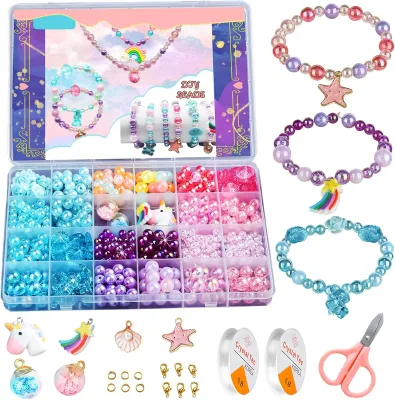
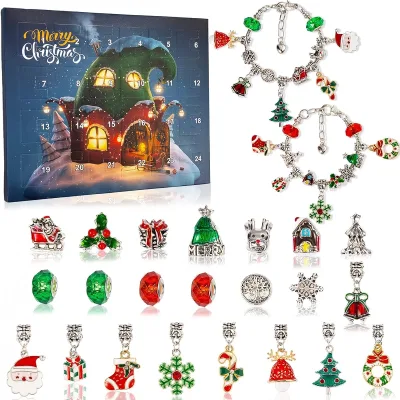
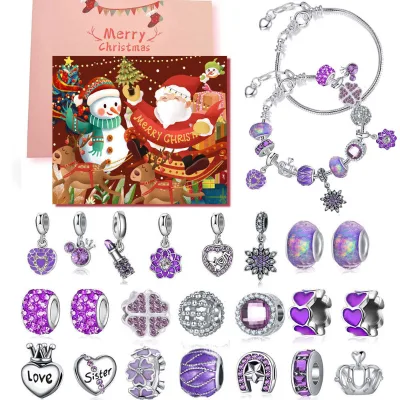
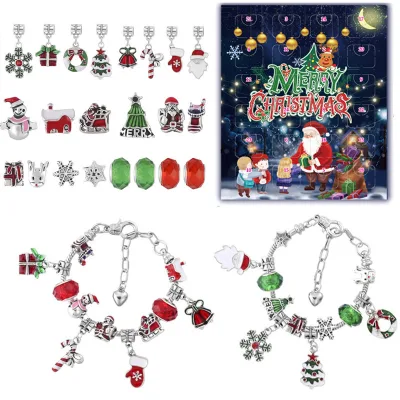
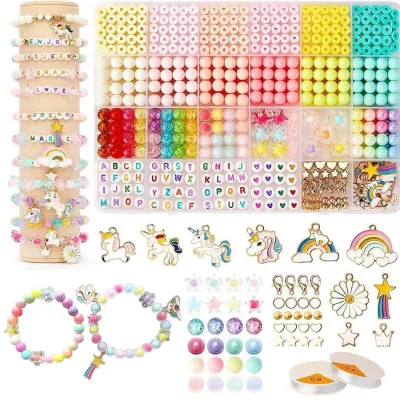
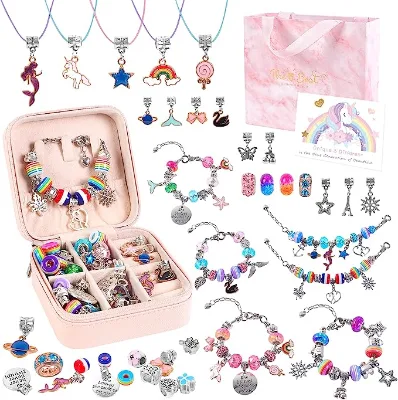
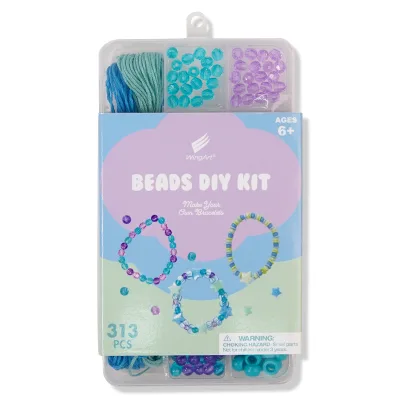
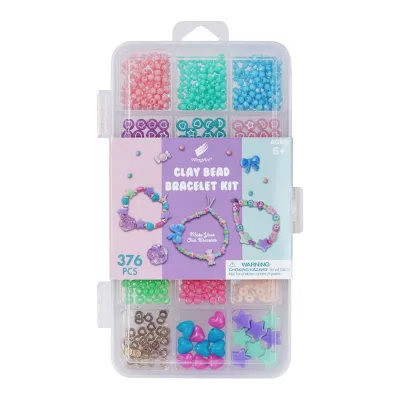
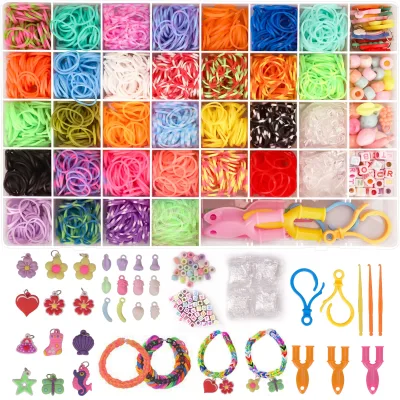
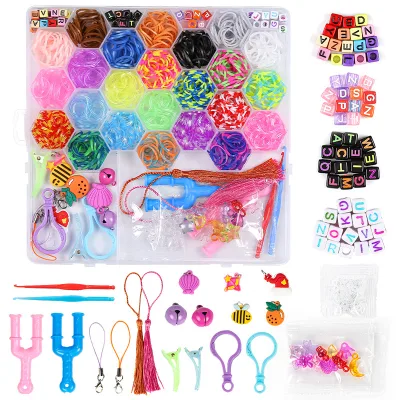
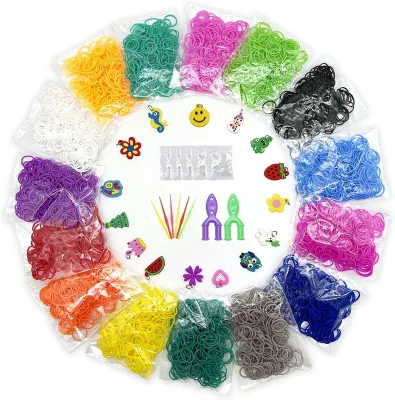


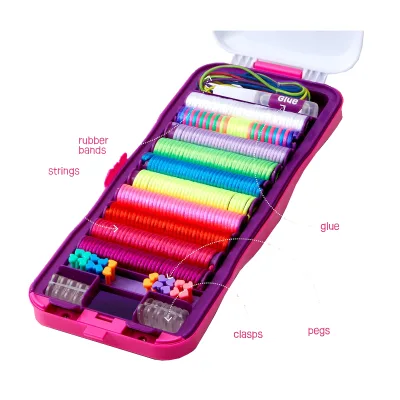
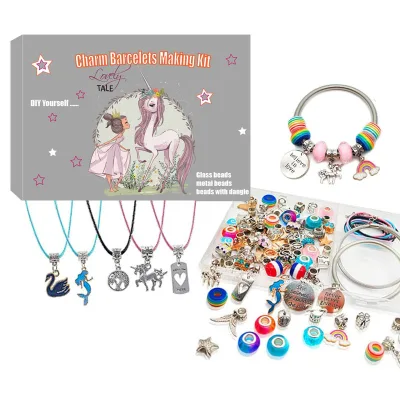
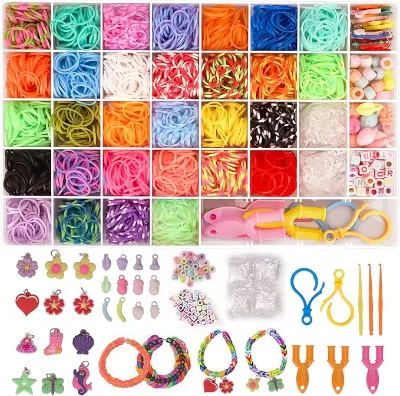
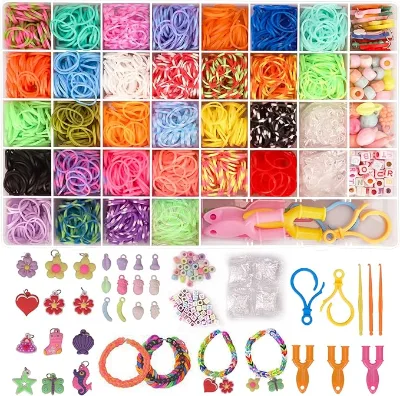

Comprehensive Sourcing Guide
Cartoon Anime Bracelet Making Kit Sourcing Guide
Sourcing a cartoon anime bracelet making kit requires identifying suppliers who offer customizable DIY solutions tailored for specific age groups, typically ranging from three to over eight years old. Buyers should prioritize vendors listing "Customized" attributes and "DIY Toys" classifications, as these indicate a flexible manufacturing base capable of adapting designs to anime themes or specific character requests. The observed product data confirms that materials often include ABS plastic and rubber, which are essential for durability and safety in children's craft kits.
Procurement teams must verify that the supplier supports full-color logo printing and silk print imprinting to ensure brand visibility on the finished bracelets or packaging. The market signals suggest a wide range of minimum order quantities, from as low as thirty pieces to thirty thousand, allowing buyers to scale orders based on their inventory needs. It is critical to confirm that the supplier offers OEM services and can provide window box or color box packing options that align with retail presentation standards for educational and promotional toys.
Product Scope and Observed Listing Signals
The product scope for these kits encompasses a variety of themes including animals, nature, transportation, and fantasy, which aligns with popular anime aesthetics. Buyers should look for listings that explicitly state the usage as "Funny," "Particular Toys," or "Intellectual Toy," ensuring the product serves both entertainment and educational purposes. The observed data indicates that these kits are often marketed toward girls but can be adapted for broader audiences, with specific age recommendations ranging from 3-8 years to 12+ years depending on the complexity of the design.
Listing signals reveal that suppliers frequently offer competitive pricing with flexible payment terms like TT, though the observed price range varies significantly from 0.63 to 6.5 USD per unit. Buyers must scrutinize the "Style" attribute, which is often listed as "Educational Toy," to ensure the kit meets the developmental needs of the target demographic. Additionally, the presence of "Sports" or "Music" themes in the product description suggests a diverse inventory that can be curated to match specific anime series or seasonal promotions.
Technical Specifications to Verify
Technical verification begins with confirming the physical dimensions of the single package, which typically range from 20x15x3 cm to larger cartons measuring 71x32x55 cm. Buyers need to ensure the bead size, often specified as 8-10mm, is appropriate for the intended age group to prevent choking hazards while allowing for easy assembly. The product model numbers, such as 10522518 or J.M.R.D-1002, serve as unique identifiers that help track specific design iterations and ensure consistency across large orders.
It is essential to validate the material composition, as the data shows a mix of ABS plastic, rubber, and other plastics used in construction. Buyers should request detailed specifications on the folding type and loading port, which is frequently listed as Shantou, to accurately calculate logistics costs and lead times. Verifying the single gross weight, often around 0.300 kg, is crucial for determining shipping efficiency and ensuring that the packaging can withstand international transit without damage.
Compliance and Safety Documentation
Compliance verification is paramount when sourcing toys for children, requiring suppliers to provide valid EN71 and ENASTM certification documents. These standards are critical for ensuring that the materials used, such as ABS and rubber, meet international safety requirements for chemical content and mechanical hazards. Buyers must explicitly request these certificates before placing an order, as the absence of such documentation can lead to customs delays or product recalls in target markets.
Beyond certifications, buyers should verify that the product origin is clearly stated, with observed data pointing to manufacturers in Guangdong and Zhejiang, China. It is necessary to confirm that the supplier adheres to the specified product standards, such as the 29x4.8x24.5 cm dimensions, which may relate to safety testing protocols or packaging requirements. Ensuring that the "Toy Department" is correctly categorized as "Girls" or general "Intellectual Toy" helps in aligning the product with regional safety regulations and consumer expectations.
Cost Drivers and Commercial Terms
Cost drivers for these kits include the complexity of the customization, the choice of materials like ABS or rubber, and the volume of the order. The observed MOQ range of 6 to 30,000 pieces allows for significant flexibility, but buyers must balance the unit price against the total investment required for larger batches. Suppliers often list competitive pricing, but the final cost is heavily influenced by the specific theme, such as "Animals & Nature" or "Fantasy & Sci-Fi," which may require specialized molds or printing processes.
Commercial terms typically involve TT payment methods and allow for partial shipments, which can help manage cash flow and inventory levels. Buyers should negotiate based on the observed price range of 0.63 to 6.5 USD, keeping in mind that lower prices may correlate with simpler designs or lower material quality. It is vital to clarify the loading port, usually Shantou, and confirm that the supplier can handle the logistics of window box or carton packing to avoid unexpected shipping surcharges.
Supplier Qualification and Quality Control
Supplier qualification requires a thorough review of their production capabilities, specifically their ability to handle "Customized" orders and provide OEM services. Buyers should assess the supplier's track record in producing "DIY Bracelet" kits and verify their capacity to maintain consistent quality across different batches. The presence of specific model numbers and detailed product names like "J.M fashion" indicates a structured production line, but direct communication is needed to confirm their quality control protocols.
Quality control checks should focus on the consistency of the "Full Color" logo printing and the durability of the "Silkprint" imprint. Buyers must ensure that the supplier can maintain the specified bead sizes and color variations, such as "Rainbow color," without compromising the structural integrity of the kit. Requesting pre-shipment samples is essential to verify that the final product matches the "as Picture" description and meets the safety and functional expectations of the target market.
Long-Term Procurement Checks
Long-term procurement success depends on establishing a reliable supply chain that can consistently meet demand fluctuations and evolving market trends. Buyers should monitor the supplier's ability to maintain the "Recommended Age" ranges and adapt to new anime themes or character licenses that may emerge in the future. Regular audits of the production process and material sourcing will help ensure that the "Educational Toy" standards remain high and that the product continues to meet safety certifications like EN71.
It is also important to track the supplier's performance regarding lead times and the "Partial Shipment" policy to ensure timely delivery for seasonal promotions. Buyers should maintain open communication channels to discuss potential changes in packaging, such as switching from window boxes to cartons, based on retail feedback. By continuously evaluating the supplier's responsiveness and adherence to the specified product standards, buyers can secure a stable partnership for the ongoing supply of cartoon anime bracelet making kits.
FAQs
What materials are used in these cartoon anime bracelet making kits?
The kits primarily use ABS plastic, rubber, and general plastic components. These materials are selected for their durability and safety, making them suitable for children and adults. The specific material composition may vary depending on the individual kit model and design requirements.
What age range is recommended for using these DIY bracelet kits?
The recommended age range varies by product, with some kits suitable for children over 3 years old and others for those over 8 years. Specific models may target ages 3-8 or 4-12. Always check the specific product listing for the exact age recommendation to ensure safety and appropriate complexity.
Can suppliers customize the logo and packaging for these kits?
Yes, customization is available for both logos and packaging. Suppliers offer full-color logo printing and silkprint imprinting options. Packaging can be customized to include window boxes or color boxes, allowing buyers to tailor the presentation for retail or promotional purposes.
What certifications do these cartoon anime bracelet making kits hold?
The kits are certified to meet EN71 and ENASTM standards. These certifications indicate compliance with specific safety and quality requirements for toys and consumer products. Buyers should verify the specific certification documents for each model to ensure they meet their regional regulatory needs.
What is the typical minimum order quantity for these kits?
The minimum order quantity varies significantly across different suppliers and models, ranging from 6 to 30,000 units. Some specific listings indicate a MOQ of 30 or 52 pieces. Buyers should negotiate directly with suppliers to determine the exact MOQ based on their order volume and customization requirements.
Where are these cartoon anime bracelet making kits manufactured?
The kits are manufactured in China, with specific production locations including Guangdong and Zhejiang provinces. The primary loading port for shipments is Shantou. This geographic concentration allows for efficient logistics and consistent quality control for international buyers sourcing from these regions.
What payment terms are accepted for bulk orders of these kits?
The primary payment term accepted is T/T, which stands for telegraphic transfer. This is a common method for international trade where funds are transferred electronically. Buyers should confirm specific banking details and any additional payment conditions directly with the supplier before placing an order.